

How to Choose the Right Swimsuit: Key Factors to Consider
Published June 5, 2026
Content produced by Bikini Village Editorial Team

Choosing a swimsuit may seem simple, but the right choice is based on five key factors, all playing an essential role: body proportions, level of activity, desired comfort, support needs, and personal style. Understanding how bathing suits are constructed and how their features affect fit helps you find a style that is both flattering and comfortable, perfectly suited to your lifestyle. While style is often what catches the eye first, it’s the combination of all these factors that makes the difference between a swimsuit you like to look at and one you truly love to wear.
This guide will help you identify the essential criteria for making a flattering, needs‑based choice, while giving you the comfort and confidence to shine at the beach or by the pool.
At a Glance
At a Glance
How to Identify Your Body Shape
How to Identify Your Body Shape
Body shape refers to how the shoulders, bust, waist, and hips visually balance in relation to one another. These are not rigid categories, but helpful reference points to guide your bathing suit selection. Identifying your body shape makes it easier to choose a bikini or swimsuit that highlights your assets while offering the comfort you’re looking for.
What Bathing Suit Cuts Flatter an Hourglass Shape (X or 8 Shape)?
What is an Hourglass Shape: Shoulders and hips are aligned, with a clearly defined waist. Proportions are balanced, making this silhouette particularly versatile.
Recommended Swimsuits for an Hourglass Shape: Belted one‑piece swimsuits or racerback styles beautifully highlight the waist. Balconette bikinis, wrap styles and high‑waisted bottoms naturally enhance curves. This shape is ideal for coordinated sets.
What Swimsuit Cuts Flatter a Pear Shape (A Shape)?
What is a Pear Shape: Hips are wider than shoulders, with a slimmer upper body. Often compared to a pyramid shape, this silhouette benefits from drawing attention to the upper body to rebalance proportions.
Recommended Swimsuits for a Pear Shape: Opt for triangle, balconette or bandeau tops with details such as bright colours, prints, decorative necklines or draping. Pair them with more understated bottoms for visual balance. High‑cut styles, short bottoms and mid‑ to high‑waisted bottoms visually lengthen the legs and slim the silhouette.
What Swimsuit Cuts Flatter a Straight or Athletic Shape (H or I Shape)?
What is an Athletic Shape: Shoulders, waist and hips are less defined, creating straighter lines. The goal is to add volume and contrast to suggest curves and a more structured waist.
Recommended Swimsuits for an Athletic Shape: Look for styles with cut‑outs, ruching, textured fabrics or prints that add movement and create the illusion of curves. Bold colours, ruffles, crisscross straps, triangle bikinis, and V‑necklines are especially flattering. Boy‑shorts or high‑waisted bottoms, especially with side ties, enhance balance and volume.
What Swimsuit Cuts Flatter a Fuller Midsection (O Shape)?
What is an O Shape: Volume is concentrated around the abdomen. This silhouette is rounder, often with a fuller bust and a less defined waist. The objective is to rebalance proportions by highlighting assets and structuring the silhouette with thoughtful cuts.
Recommended Swimsuits for an O Shape: Choose shaping one‑piece swimsuits, V‑neck tankinis and styles with strategic ruching, crossover panels or lightly compressive fabrics. High‑waisted bottoms help smoothly without compressing, while decorative details (knots, draping, texture play) draw the eye to your favourite features. Fabric choice and finishing details enhance style and confidence.
What Swimsuit Cuts Work for Broad Shoulders or Fuller Busts (V Shape)?
What is a V Shape: Characterized by shoulders wider than hips or a fuller bust compared to the lower body, often referred to as an inverted triangle. The goal is to soften the upper body while visually balancing the lower half.
Recommended Swimsuits for Broad Shoulders: Favor V‑necklines, plunging cuts or asymmetrical styles that elongate the torso. Balance the look with more detailed bottoms, high‑cut briefs, skirted styles, ruffles or hip details, to draw attention downward.
Recommended Swimsuits for Fuller Busts: Opt for structured tops offering strong support: discreet underwires, moulded cups, wide straps and solid underbust bands. High‑quality, shaping fabrics are essential for comfort, support and a naturally flattering fit.
How to Choose the Right Level of Support in a Bathing Suit
How to Choose the Right Level of Support in a Bathing Suit
Support refers to the swimsuit’s ability to hold and stabilize the bust while wearing it. It is different from coverage: a swimsuit can be minimal yet highly supportive or very covered with little true support.
What Swimsuit Features Provide the Best Support?
True support comes from the construction of the swimsuit, not just fabric thickness. Key elements include:
Underwire |
|
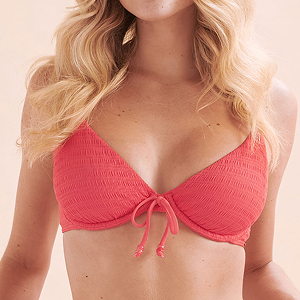 |
Provide excellent lift, structure and optimal support, but may feel uncomfortable for some. Alternatives include moulded cups, underbust bands, or compressive linings. |
Wide Straps |
|
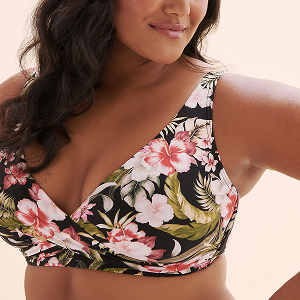 |
Distribute weight more evenly and reduce shoulder pressure. |
Adjustable or Convertible Straps |
|
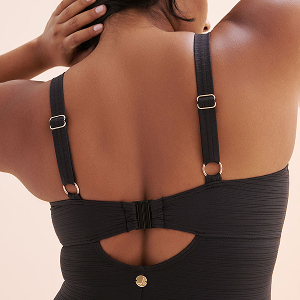 |
Allow for customized fit and adaptability across body types. |
Compressive Fabrics |
|
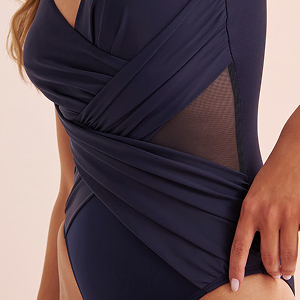 |
Usually made from high‑density polyamide and elastane, these fabrics apply even pressure to smooth the silhouette and keep the swimsuit in place, ideal for swimming, water sports and high‑activity wear. |
Underbust Bands |
|
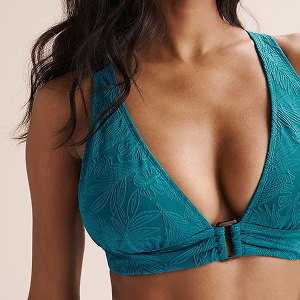 |
Reinforced or elastic bands under the bust that anchor the swimsuit, enhance weight distribution, reduce bounce and improve security, especially medium to fuller busts. |
Moulded Cups or Removable Padding |
|
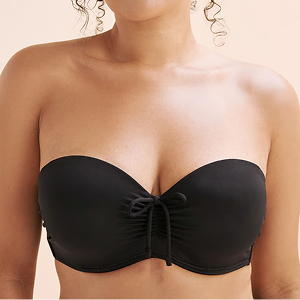 |
Provide shape, discretion, and light‑to‑moderate support. |
Swimsuits with Built-In Bras |
|
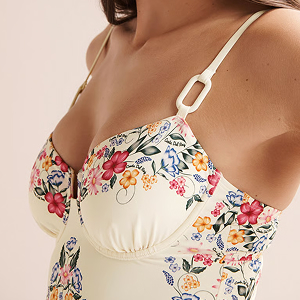 |
Often found in one‑pieces and tankinis; may include inner bras, shaping linings, sewn‑in cups, underbust bands or hidden underwires. |
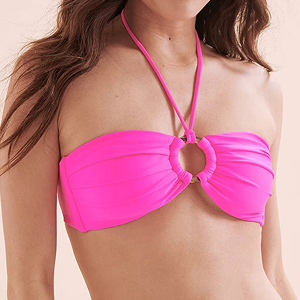

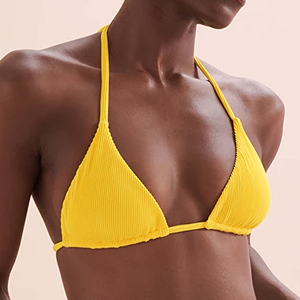
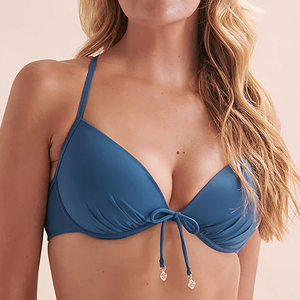

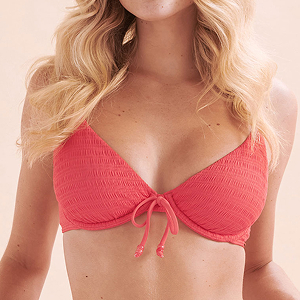

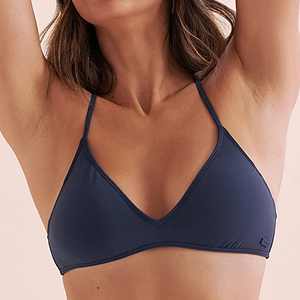

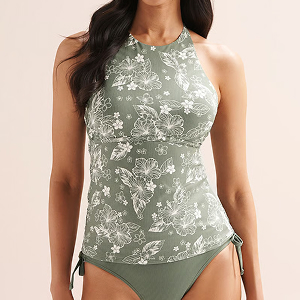

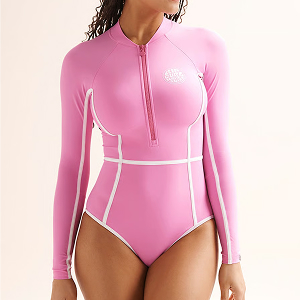
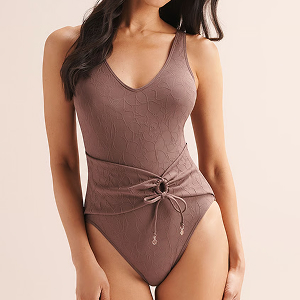

Which Strap Style Offers the Best Support?
- Adjustable Straps: Most versatile
- Racerback Straps: Ideal for activity and stability
- Halter Straps: Stylish, but may strain the neck over time
Support for Fuller Busts
A fuller bust requires reinforced support and effective weight distribution to avoid discomfort, pressure points and constant adjustments. A well‑designed swimsuit stabilizes the bust, limits bounce and ensures long‑lasting security, without sacrificing style.
Underwires or Wire‑Free Structure
Underwires (or internal wire‑free support structures) support the bust at its base, where support is most effective. They help lift, separate, and shape the bust, rather than letting the weight rest on the straps.
Common problems it solves:
- Lack of support
- Bust flattening or spilling
- Feeling of instability, especially during movement


Wide, Adjustable Straps
Wider straps distribute the weight of the bust more evenly across the shoulders, while adjustability allows for a customized fit based on individual body shape.
Common problems it solves:
- Straps that slip or dig into the skin
- Shoulder or neck pain
- Poor long‑term support and fit
Adjustable Back Closures
Adjustable back closures (multiple hooks, wide ties) help anchor the swimsuit more securely around the torso, where a large part of breast support comes from.
Common problems it solves:
- Top riding up
- Lack of stability under the bust
- Difficulty achieving a precise fit


Structured Cups
Structured cups (sewn‑in, moulded or lined) contour the bust and provide targeted support, while helping create a balanced silhouette.
Common problems it solves:
- Poor bust containment
- Uneven volume distribution
- Lack of shaping or separation
Firm, high‑quality fabrics
High‑quality fabrics ensure long‑lasting support, even after repeated swims. They prevent the swimsuit from relaxing too quickly and improve overall durability.
Common problems it solves:
- Loss of support over time
- Suit deformation
- lack of control
Recommended fabrics:
- Shaping and compressive fabrics
- Reinforced linings
- Nylon‑elastane blends
- Thick microfibers
- Double‑lined fabrics
To go further, explore The Ultimate Guide to Bikini Tops and Bottoms

How Much Coverage Should You Choose? Light, Medium or Full
How Much Coverage Should You Choose? Light, Medium or Full
Coverage refers to how much skin is exposed and depends on cut, rise, neckline, leg opening, and fabric opacity. It plays a key role in a swimsuit style, support, and comfort.
Coverage applies to:
- Upper Body: bust, neckline, back, shoulders
- Lower Body: hips, buttocks, stomach, thighs
- Sides & Back: higher or lower leg cut, open or covered back
Coverage Levels
| Level | Description | Styles | Ideal for |
|---|---|---|---|
| Light | Minimalist styles that highlight the body | Triangle tops, thin bandeaus, high‑cut or tanga bottoms | Sunbathing, lounging |
| Medium | Balance between style and comfort | Bralettes, rounded‑neck tops, classic bottoms | Moderate or extended activities, pool, spa, walking |
| Full | Maximum sense of security | High‑neck tops, tankinis, one‑piece swimsuits, high‑waisted bottoms | Active days, confidence |
How to Choose the Right Level of Coverage
Consider Your Activities (swimming, playing, lounging), your personal comfort and the context in which the swimsuit will be worn.
Prioritize Your Comfort: Coverage directly affects how you feel in your swimsuit, both in terms of ease and confidence throughout the day. Fortunately, current trends offer all coverage levels, allowing you to choose what suits your needs without compromising style.
Coverage Depends Not Only On Fabric Quantity, But Also On:
- Waist height (low‑, mid‑, or high‑rise)
- Leg opening
- Top neckline
- Swimsuit structure
To help you choose the right level, consult our Women’s Swimsuit Cuts Guide
How to Evaluate Swimsuit Comfort
How to Evaluate Swimsuit Comfort
A comfortable swimsuit reveals itself over time, but signs of poor fit are easy to spot.
Common Signs, Likely Causes & How to Identify These Issues During Fitting
| Sign | Likely cause | In‑Store Ftting | Online Purchase |
|---|---|---|---|
| Marks left on the skin | Elastic too tight or size too small | Immediate redness, visible lines after a few minutes | Check fabric composition and size chart to avoid sizing down |
| Slipping straps | Lack of adjustment | Constant need to readjust | Ensure straps are adjustable |
| Bottom rolls or shifts | Poor cut | Rides up when walking or sitting | Check cut type; favor lined or shaping styles |
| Restricted movement | Low‑stretch fabric or incorrect size | Tightness in shoulders, hips, or back | Check elastane content; avoid stiff fabrics |
| Irritating lining | Poor‑quality or ill‑fitting fabric | Immediate friction or roughness | Ensure fabric composition feels soft and comfortable |
One‑Piece vs Tankini: Which Should You Choose?
One‑Piece vs Tankini: Which Should You Choose?

When to Choose a One‑Piece
The one‑piece swimsuit is modern, versatile, and stylish. It offers strong support and higher coverage.
Key features to look for:
- Built‑in bra or interior shelf bra
- Shaping lining
- Adjustable straps
- Structuring seams
Trending styles:
- Plunging neckline
- Cut‑outs
- Wrap style
- High neck
- Long‑torso options
Support‑focused brands: Artesands, Eau de Sea, Magicsuit, Miraclesuit
Fashion‑forward brands: Everyday Sunday, Santemare, MyBikiniStory, Rip Curl, Tropik
When to Choose a Tankini
A tankini is ideal if you want:
- Optimal support for water activities
- A more polished look for resorts or boating days
- Extra coverage while staying stylish
It’s also a great option if you prefer stomach coverage without wearing a one‑piece, want comfort for a long beach day or enjoy mixing and matching tops and bottoms.
Advantages:
- Adjustable fit
- Everyday practicality
- Easy styling and coordination
Tankini Brands: Turquoise Couture, Costa Del Rey, Anne Cole, Jantzen
Tankinis are especially popular with moms, including for nursing. Discover our article: The Best Swimsuits for Moms

Bottom Line: Tankini vs One‑Piece
These styles aren’t just for the beach; they’re perfect for family days, spa outings, festivals or styled with a pareo.
| Situation / Criteria | Tankini | One‑piece |
|---|---|---|
| Overall coverage | ||
| Stomach coverage | ||
| Shaping effect | ||
| Bust support | ||
| Adjustability | ||
| All‑day comfort | ||
| Day with kids |
What Fabrics Should You Choose for a Quality Swimsuit?
What Fabrics Should You Choose for a Quality Swimsuit?
Fabric is one of the most important factors when choosing a swimsuit. It directly affects comfort, support, durability, and appearance over time. The best swimsuits are typically made from polyamide or polyester blended with elastane, offering an optimal balance of stretch, support, and longevity.
What to Look for in Swimsuit Fabrics
| Criterion | Why it matters |
|---|---|
| Stretch & recovery | Maintains shape after each wear |
| Quick‑drying | Improves comfort and reduces irritation |
| Durability | Long‑term investment |
| UV protection | Added sun safety during extended wear |
A great swimsuit adapts to the person wearing it, not the other way around. Every criterion covered in this guide, from fabric to support, comfort and activity level, serves the same goal: helping you find a swimsuit that fits your lifestyle as much as your aesthetic preferences. Style may catch the eye, but these elements together are what allow you to wear a swimsuit with confidence, summer after summer.
Frequently Asked Questions
Frequently Asked Questions
How do You Style a Swimsuit for the Beach or Pool?
Styling depends on the setting. At the beach, a light dress or a pareo tied at the waist creates an easy, relaxed look that’s simple to remove for swimming. Poolside, an open linen shirt or coordinated shorts adds a polished feel with minimal effort. In both cases, flat sandals, a straw hat and sunglasses complete the look. The goal is a functional transition outfit between water and surrounding spaces.
Which Swimsuit Styles are Timeless?
Over the years, certain styles return season after season: the classic round‑neck one‑piece, solid‑colour bikinis with adjustable straps and high‑waisted bottoms paired with structured tops. These styles endure because they prioritize simplicity and versatility over fleeting trends. Investing in one ensures multiple summers of wear.
Should You Size Up or Down?
It’s strongly recommended to choose your usual size. A well‑fitting swimsuit should neither compress nor gap. Quality fabrics like polyamide and elastane naturally adapt to the body once wet. Sizing up often reduces support, while sizing down can cause discomfort and skin marks after a few hours.
Do Sizes Vary by Brand?
Yes. Sizing can differ significantly between brands, especially across European, North American, and Australian labels. A medium in one brand may not equal a medium in another. To avoid surprises, always consult each brand’s size guide and take accurate bust, waist and hip measurements when shopping online.
Is a High‑End Swimsuit Worth It?
A premium swimsuit is made with materials that better resist chlorine, sun exposure, and repeated washing. For frequent use, it quickly becomes a worthwhile investment, as it holds its shape and colour longer. For occasional wear, a mid‑range option usually offers excellent value. The key is aligning your budget with how often you’ll wear it.
How Long Does a Swimsuit Last?
A swimsuit’s lifespan depends on material quality and care. On average, a mid‑range swimsuit worn regularly lasts one to two seasons. A high‑quality suit, rinsed in cold water after each use and dried in the shade, can last three to five years. Prolonged chlorine and sun exposure are the main causes of wear.
What Swimsuit Trends Are Popular This Year?
The 2026 season marks a shift toward more sophisticated, thoughtful swimwear.
- Crochet swimsuits stand out for their artisanal, boho‑chic aesthetic
- Animal prints, especially leopard, remain popular for their bold yet refined appeal
- Rich, natural tones, along with florals, stripes and textured fabrics, add depth to minimalist designs
For a full overview, see our guide: 2026 Swimwear & Beachwear Trends
In this guide, we shared the keys to:
- Identifying your body shape and what flatters it best
- Choosing the right support level for your bust and activities
- Recognizing a comfortable swimsuit both in‑store and online
- Understanding the importance of fabric quality for lasting comfort
Wearing a swimsuit is also an emotional experience. Feeling comfortable and confident in your skin matters. The right swimsuit allows each person to express who they ar, at their own pace, while feeling secure and at ease. Whether you’re looking for more support, more coverage or simply a flattering cut, there’s a swimsuit for everybody, style and desire.
The goal: to feel like yourself, free to enjoy, move and shine. Because a well‑chosen swimsuit doesn’t change your body, it changes how you feel in it.


